In late December 2025, a 42‑minute video published by independent content creator Nick Shirley ignited a nationwide political and administrative controversy in the United States. The footage, which showed visits to a series of licensed childcare centers in and around Minneapolis, Minnesota, portrayed locked doors, empty parking lots, and seemingly inactive facilities. Despite public records indicating they had been paid millions through Minnesota’s Child Care Assistance…
In late December 2025, a 42‑minute video published by independent content creator Nick Shirley ignited a nationwide political and administrative controversy in the United States.
The footage, which showed visits to a series of licensed childcare centers in and around Minneapolis, Minnesota, portrayed locked doors, empty parking lots, and seemingly inactive facilities.
Despite public records indicating they had been paid millions through Minnesota’s Child Care Assistance Program (CCAP). The video was widely shared across social platforms, attracting tens of millions of views and prominent amplification from political influencers and public figures.
What began as a grassroots content piece quickly escalated into federal funding freezes, intensified investigations, political backlash, and widespread debate about government oversight of publicly financed social programs.

The Video That Went Viral
On December 26, 2025, Nick Shirley — a conservative independent creator with a large social media following — published a video documenting his visits to nearly a dozen childcare facilities in Minnesota licensed to receive payments from CCAP.
The Child Care Assistance Program is a federally supported, state‑administered program that helps low‑income families pay for childcare by subsidizing provider fees.
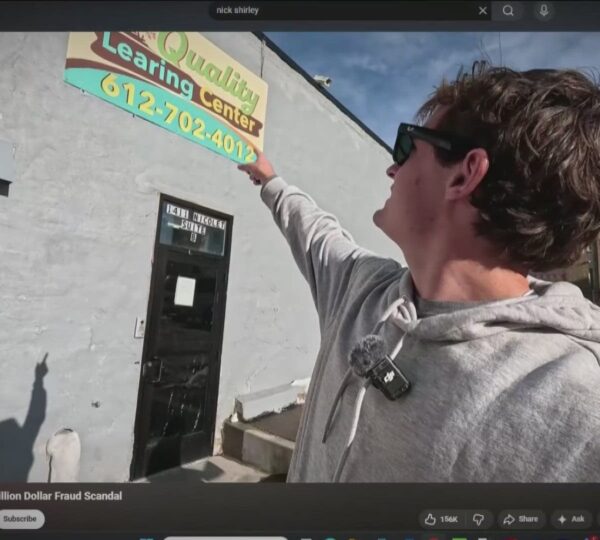
In the video, Shirley records scenes of buildings with daycare signs but little visible activity. One of the most widely circulated clips shows a facility in Minneapolis with a sign reading “Quality Learing Center”, which appeared closed with locked doors and no children present.
Shirley cited publicly accessible state payment records indicating the center had received nearly $1.9 million in CCAP payments during the period, asserting that the footage suggested misuse of taxpayer funds.
Shirley also visited other locations, approached bystanders for comments, and questioned whether state regulators were adequately monitoring providers receiving significant public money.
The video was shared on platforms like X (formerly Twitter) and YouTube, where it garnered huge engagement and was reshared by prominent conservative figures, which greatly amplified its reach beyond Minnesota.
Immediate Reactions and Political Backlash
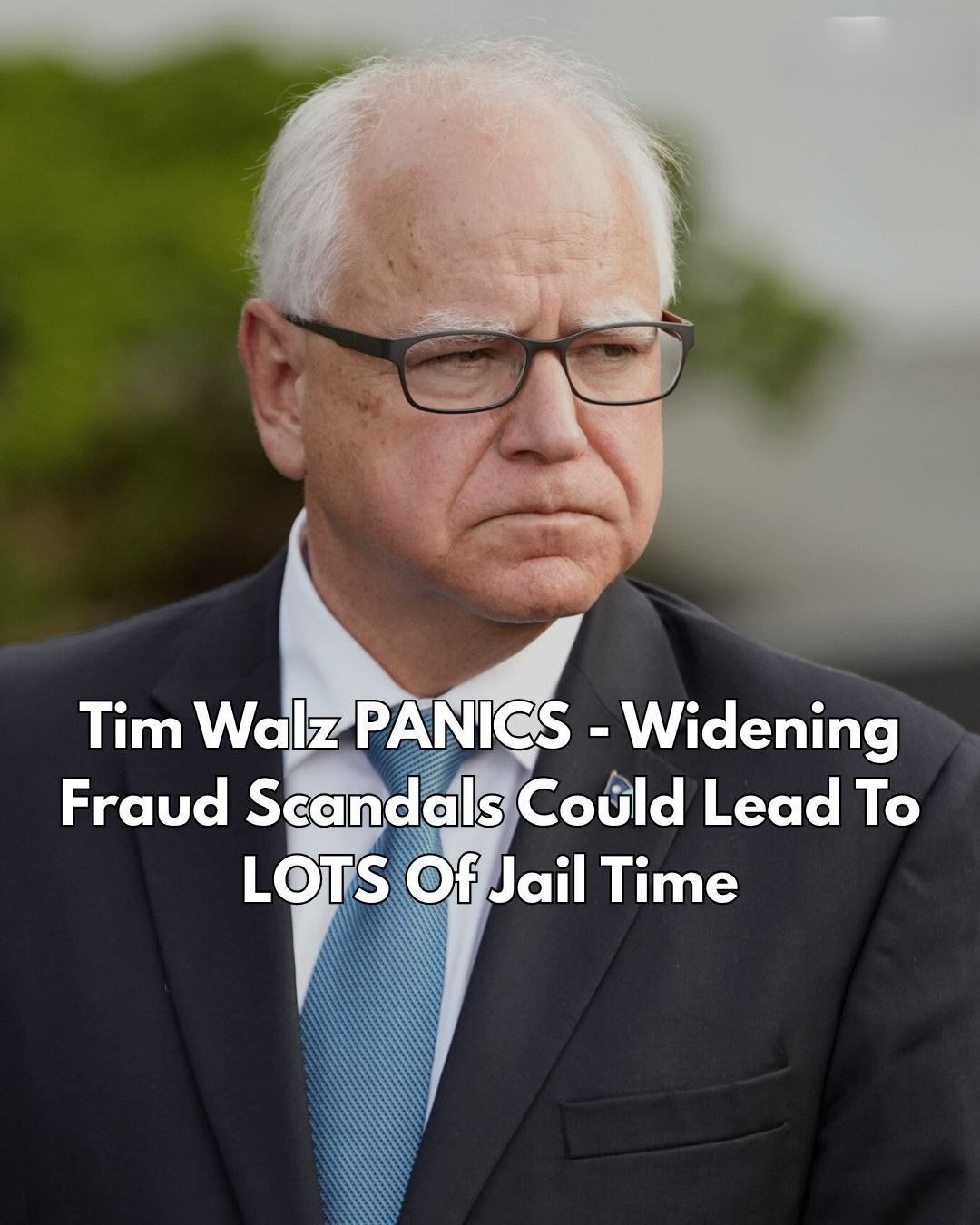
Almost immediately, the video fueled sharp public reactions and political pressure. Republican lawmakers, including Minnesota’s own U.S. House Majority Whip Tom Emmer, demanded accountability from state officials, criticizing Governor Tim Walz and state agencies for what they described as “baffling” oversight failures and misuse of taxpayer dollars.

Emmer publicly called for answers about why millions had been paid to centers that appeared inactive or empty.
Nationally, the controversy intersected with broader debates about fraud in government programs and was seized upon by conservative commentators as emblematic of systemic mismanagement.
Critics of the video, however — including some media outlets and local officials — cautioned that visiting facilities at a single point in time does not prove fraud or non‑operation, and that visual observations alone should not replace formal audits or inspections.
State and Federal Official Responses
In response to the viral video and mounting scrutiny, the Minnesota Department of Children, Youth and Families (DCYF) confirmed it was taking the concerns seriously and that investigators were conducting follow‑up inspections at the facilities featured in the video.
The agency noted that it had visited each mentioned site at least once within the past six months as part of its routine licensing and compliance process. Officials also stated they were performing additional spot checks in light of the public attention.
DCYF spokespersons emphasized that while the video raised questions worth examining, regulators had not found evidence of criminal fraud at the featured centers and that payments had not been paused for any of the providers shown in the video.
They noted that two of the locations in the footage were actually closed — one for several years and another recently — and therefore receiving no funds at the time of the inspections.
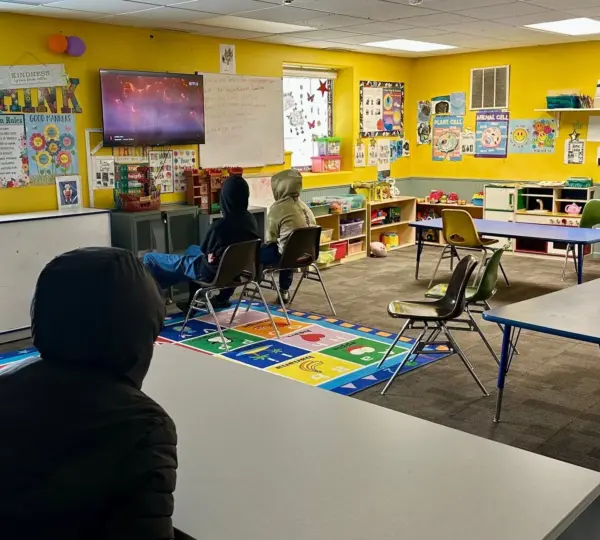
Minnesota’s regulators also clarified that the presence or absence of children at the time of an observational visit does not by itself confirm operational status, since centers may be open on specific schedules that do not align with spontaneous visits.
Of the centers that were inspected during the follow‑ups, regulators reported that children were present at most of the visited sites, and the remaining absence could be attributed to hours, holidays, or scheduling differences.
Federal Funding Freeze and Escalated Investigations
As the controversy grew, the U.S. Department of Health and Human Services (HHS) took the rare step of freezing federal child care payments to Minnesota until the state could demonstrate that federal funds were being used appropriately.
A senior HHS official stated that payments would resume only once Minnesota could provide additional verification and comprehensive audits for providers — including attendance records, licensing verifications, and regulatory compliance documentation.
In addition to HHS’s action, representatives from the Department of Homeland Security (DHS) and the Federal Bureau of Investigation (FBI) increased their presence in the state to look into possible misuse of federal programs.
FBI leadership acknowledged awareness of the situation and confirmed that personnel and resources were being allocated to investigate potential fraud schemes linked with childcare and other social service programs.
Importantly, federal officials did not publicly claim that fraud had been proven at the centers featured in the video; rather, they indicated that they were pursuing investigatory leads and needed comprehensive documentation from the state to determine the legitimacy of program operations.
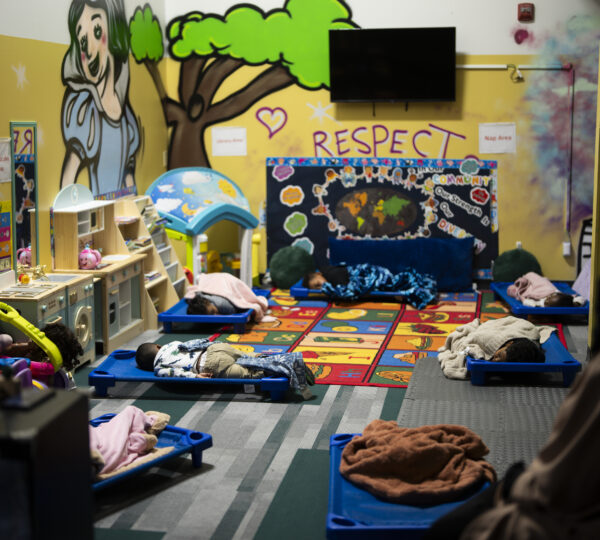
In the weeks following the viral storm, multiple official and media investigations shed further light on the situation — presenting a more nuanced and less sensational picture than what the original video implied.
State regulators reported that none of the inspections triggered by the video uncovered evidence of fraud at the daycare centers in question, although some facilities did have unrelated regulatory violations (for example, record‑keeping issues or cleanliness concerns).
Many of the centers were confirmed to be actively operating, with children and staff present during official visits.
Local media outlets such as CBS Minnesota and others also conducted independent checks of state records. Their reporting found that at least nine of the centers highlighted in the viral video continued to hold valid licenses and were recently inspected by state agencies, and that the issues raised in the video did not match the regulatory compliance findings.
Experts and journalists emphasized that the video’s approach — showing empty parking lots or locked doors at singular moments — does not equate to proof that a childcare provider is not offering services.
Many centers operate on limited or variable schedules, and footage taken outside normal operating hours can give a misleading impression of inactivity.
Political Fallout and Broader Debates
The controversy quickly transcended child care policy and became a flashpoint in political discourse. Republican leaders seized on it to press for enhanced transparency and unannounced inspections for entities receiving taxpayer funds.
Meanwhile, some Democrats and civil rights advocates warned that the video’s targeting of predominantly immigrant‑owned childcare centers, some of which served Somali American communities, raised concerns about bias, harassment, and possible racial profiling.
Critics urged that enforcement and oversight should be pursued without stigmatizing entire communities or presuming wrongdoing based on nationality or religion.
They also emphasized that while abuse of public programs should be investigated, the public conversation should not be shaped by hasty assumptions or partial evidence.
The debate also contributed to shifts in Minnesota’s political landscape. Some reports connected the sustained controversy to Governor Tim Walz’s decision to withdraw his bid for a third term, citing the issue as a factor in mounting political pressure.
Community Impact and Misinformation Concerns
Beyond policy and politics, the incident had real‑world effects on families and providers. Some childcare centers featured in the video — including those owned by members of Minnesota’s Somali community — reported receiving abusive and threatening communications in the wake of viral social media attention.
Staff members expressed concerns about harassment and safety for children and workers following widespread misinterpretations of the video’s claims.
Independent fact‑checking organizations also examined ancillary claims circulating online — including posts suggesting that daycare centers had made large political donations — and found no evidence to support such assertions.
These false narratives were seen as symptomatic of how rapidly disinformation can spread alongside genuine public policy debates.
What This Means for Oversight and Public Trust
The Minnesota childcare controversy highlights several broader issues relevant to public administration and civic life:
1. The Challenges of Program Oversight:
Ensuring that publicly funded programs deliver services as intended is a legitimate priority. However, surveillance based solely on short observational videos can misrepresent complex operational realities.
2. The Role of Media and Social Platforms:
Highly shareable content can rapidly influence public perceptions, for better or worse, and may outpace formal investigations or fact‑based reporting.
Viral videos may draw attention to issues that deserve scrutiny but can also entrench assumptions before comprehensive evidence is available.
3. The Importance of Accurate Information:
False or misleading claims — including those that target specific communities — can have harmful social consequences that extend beyond policy debates. Ensuring factual accuracy and context is essential in public discourse.
4. Program Integrity vs. Stigmatization:
Policymakers must balance the necessity of combating abuse of government funds with the need to avoid targeting or stigmatizing communities based on ethnicity or religion alone — a concern raised by civil rights advocates throughout the Minnesota controversy.
What began as a viral video alleging misuse of taxpayer dollars evolved into a multifaceted national story involving federal funding freezes, state and federal investigations, political debate, and discussions about misinformation and community impact.
As investigations continue, Minnesota’s experience underscores the complex interplay between social media, public policy, and the mechanisms of oversight in government programs.
While legitimate questions about fraud and accountability remain important, official reviews have so far not corroborated widespread fraudulent activity at the childcare centers featured in the viral video.
The situation also serves as a cautionary tale about how rapidly content can shape public perceptions, for better and for worse, and how vital context, accuracy, and thoroughness are in evaluating public affairs.