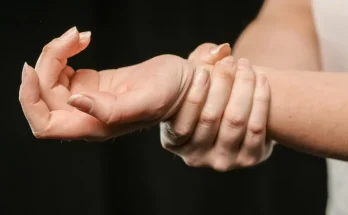
Body language can communicate subtle messages, especially in brief or unexpected moments. One gesture that sometimes causes confusion is when someone lightly touches or rubs the palm of your hand. While it may seem insignificant, this action can carry different meanings depending on context, culture, and personal comfort. In many situations, a palm touch is simply a habitual or unconscious movement, similar to a prolonged handshake or friendly gesture.
In other cases, it may be a way someone tests social connection or familiarity. Importantly, it is not a universal signal and should never be assumed to mean the same thing in every interaction. If the gesture feels neutral or acceptable to you, there is no obligation to respond in any special way. Continuing the conversation naturally or maintaining relaxed body language is perfectly appropriate.
Comfort and ease are good indicators that boundaries are being respected. If the gesture feels uncomfortable, your response can be simple and direct. Gently pulling your hand away, stepping back, or saying something like, “I prefer not to be touched,” clearly communicates your boundary. You do not need to explain or apologize for protecting your personal space.
Sometimes, the meaning may feel unclear. In those moments, paying attention to overall behavior can help. Respectful people respond well to boundaries and adjust immediately when made aware. Ultimately, personal comfort matters most. Everyone has the right to decide what feels appropriate in social interactions. Confidence comes from knowing your boundaries and honoring them calmly and respectfully. Understanding body language is useful, but trusting your instincts is always the most reliable guide.