💰 The Value of Your Wheat Pennies: Are You Sitting on a Fortune? 🌾
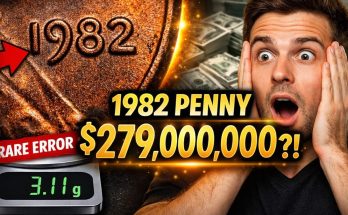
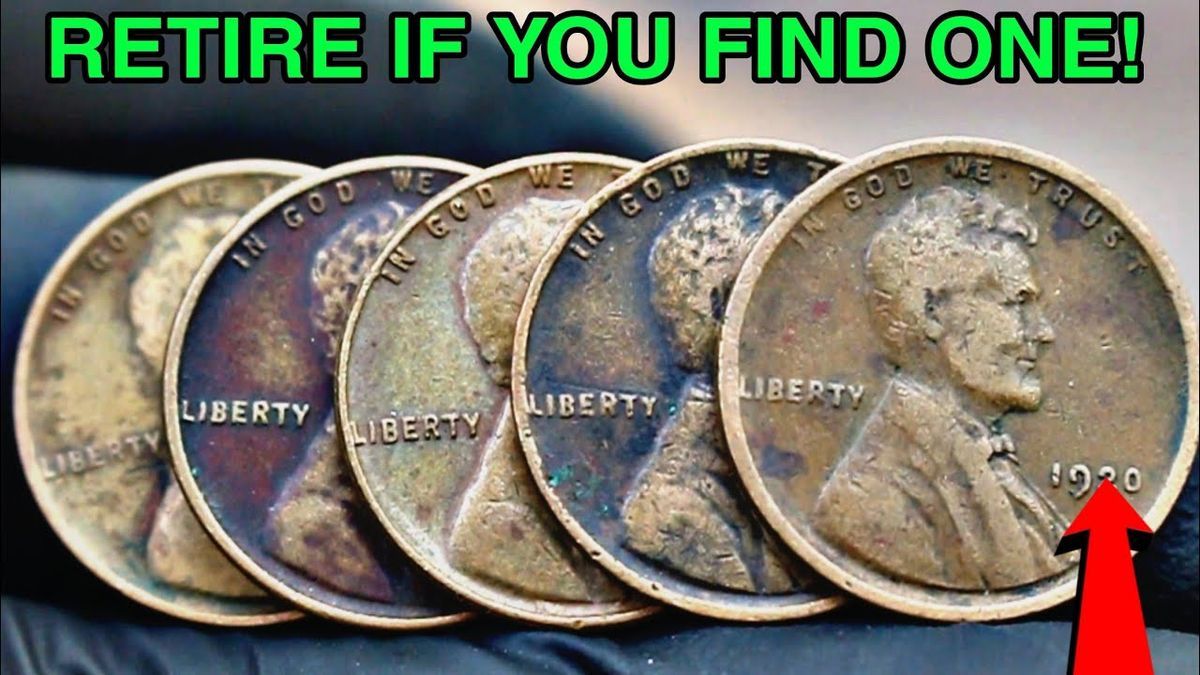
The image of stacks of Lincoln Wheat Pennies and the question, “How Much Can You Sell Your Wheat Pennies For Today? Are Your Wheat Pennies Worth a Fortune?” suggest you’ve uncovered a hidden treasure! While the majority of Wheat Pennies (minted from 1909 to 1958) are worth only a few cents to a few dollars, certain rare dates, mint marks, and error coins can command hundreds, thousands, or even hundreds of thousands of dollars at auction.
🪙 Common Wheat Penny Values
Most circulated Lincoln Wheat Pennies from the 1940s and 1950s are generally common and have a nominal value. They are typically worth slightly more than their face value, often ranging from 4 cents to $4.00 on average, depending on their condition. Coins in superior, uncirculated condition, even common dates, might fetch $20 to $50.
🗝️ Key Dates and Rarities
The true fortune lies in key dates and error varieties, which are highly sought after by collectors. The value of these rare coins depends heavily on their grade (condition) and rarity.
- 1909-S VDB: This first-year issue, bearing the designer’s initials (V.D.B.), is one of the most popular rarities. Only 484,000 were minted. Values for this semi-key date can range from $700 to $1,500 in lower grades, with a record auction sale reaching $168,000 for a high-grade example.
- 1914-D: Considered the key date of the non-error Wheat Penny series due to its low mintage of 1,193,000. Values start around $150 to $200 for coins in good condition and have reached $158,625 at auction for a pristine specimen.
- 1931-S: With a very low mintage of 866,000, this coin is a significant semi-key date. Circulated examples can be worth $60 to $150, with an auction record of $18,600 for a high-grade example.
- 1922 “No D”: An error variety where the mint mark is missing, typically because the die was overpolished. Values range from $20 to over $25,000.
🤯 Million-Dollar Errors
The coins that truly match the sensational titles in the images are the error coins, which were mistakes made during the minting process. These accidental rarities can indeed be worth a fortune:
| Valuable Error Coin | Estimated Value (Lower-end Circulated) | Auction Record |
| 1943 Bronze Cent | $100,000+ | $840,000 for a 1943-D Bronze |
| 1944 Steel Cent | $75,000+ | $408,000 for a 1944-S Steel |
| 1955 Doubled Die Obverse (DDO) | $1,000–$4,000 | $114,000 |
| 1958 Doubled Die Obverse (DDO) | $100,000–$200,000 | $336,000 |
The most valuable Wheat Penny ever sold at auction is a 1943-D Bronze Cent (an accidental strike on a bronze planchet during World War II, when pennies were supposed to be zinc-coated steel) which fetched an astonishing $840,000. The rarity of these coins is what drives the exceptional prices.
🔍 Determining Your Penny’s Value
To determine if your Wheat Pennies are worth a fortune, you need to check a few things:
- Year and Mint Mark: Look for the year below Lincoln’s profile and the small mint mark (D for Denver, S for San Francisco; no mark means Philadelphia) on the obverse. Key dates like 1909-S VDB, 1914-D, 1922 “No D”, and 1931-S are crucial.
- Condition (Grade): The coin’s physical condition is vital. Uncirculated, bright-red pennies are worth significantly more than those that are worn (circulated). The terms “Good,” “Fine,” “Extremely Fine,” and “Uncirculated” are used by coin collectors to grade a coin’s condition.
- Errors and Varieties: Inspect the coin closely for errors like a doubled die (1955 DDO), a missing mint mark (1922 “No D”), or the VDB initials on the 1909-S. A professional coin dealer can accurately estimate the worth of your coin.
So, while most of your Wheat Pennies are likely worth just a small amount, finding one of the rare key dates or error coins could absolutely make them worth a small fortune!
If you’d like to dive deeper into the specific values, check out this video: How Valuable are WHEAT PENNIES? Old Wheat Cent Coin Values. This video provides an overview of the value of common wheat pennies, key dates, and error varieties.