
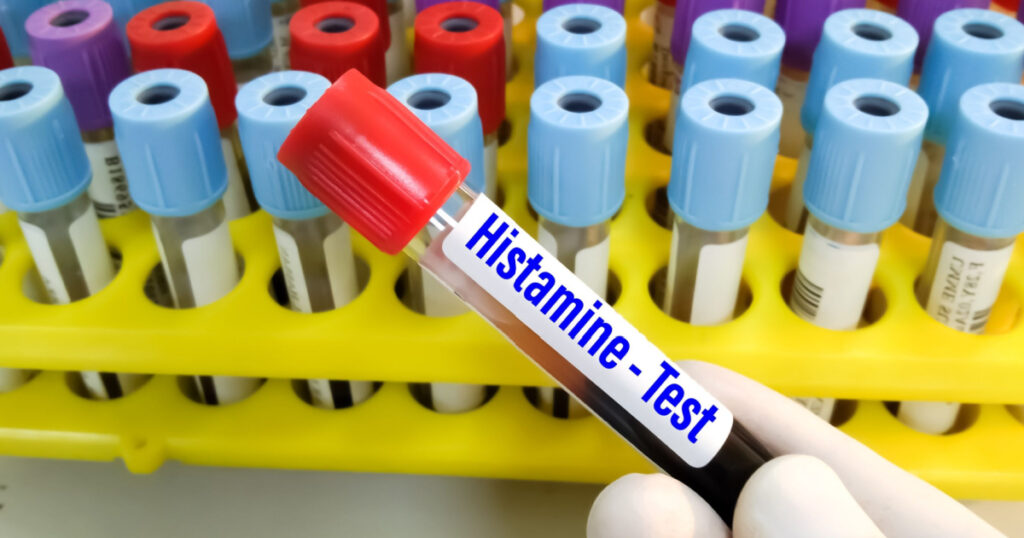
It’s important to note that histamine intolerance doesn’t mean the body can’t tolerate histamines; it means it contains too much of them. Histamines are responsible for several major functions, in addition to being part of immune responses to injuries or allergic reactions. They also help digestion by releasing stomach acid and aiding in communication messages to the brain. The body naturally makes histamine and diamine oxidase (DAO) This is the enzyme that’s supposed to break down histamine during digestion. However, people with a DAO deficiency cannot break down as much histamine as normal, leading to high levels of it in the body.
What Causes Histamine Intolerance?
It’s important to note that histamine intolerance doesn’t mean the body can’t tolerate histamines; it means it contains too much of them. Histamines are responsible for several major functions, in addition to being part of immune responses to injuries or allergic reactions. They also help digestion by releasing stomach acid and aiding in communication messages to the brain. The body naturally makes histamine and diamine oxidase (DAO) This is the enzyme that’s supposed to break down histamine during digestion. However, people with a DAO deficiency cannot break down as much histamine as normal, leading to high levels of it in the body.
There are several ways to get a DAO deficiency, including:
- Gastrointestinal disorders
- Medications that interfere with DAO function and production
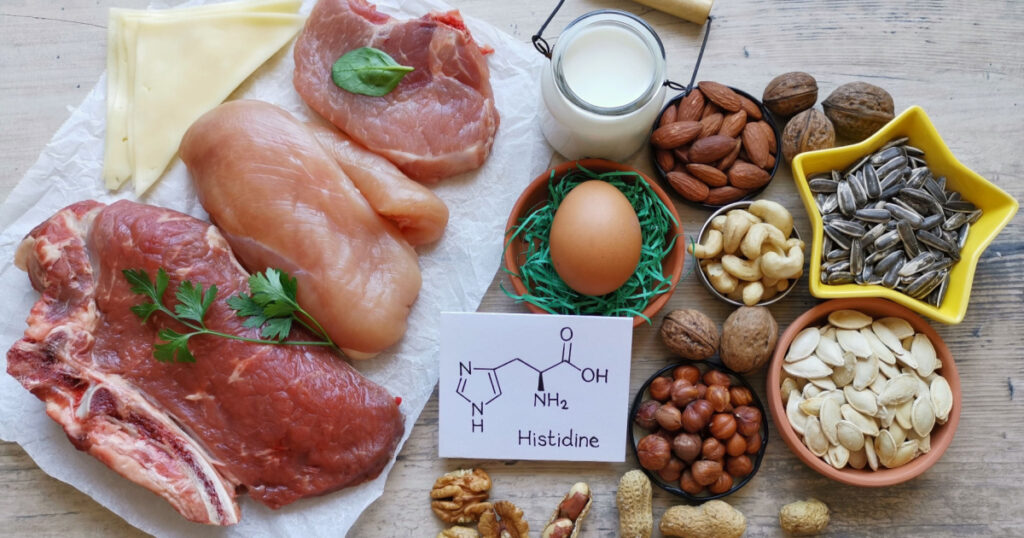
- Histamine-rich foods
- Foods that trigger histamine release
- Foods that block DAO enzymes
- Bacterial overgrowth in the gut causes overproduction of histamine [2]
Recognizing and managing the condition is very difficult

“Histamine intolerance is unlike other allergies or sensitivities because it is not a reaction to the histamine itself but to the fact that we’ve too much of it,” Kerry Torrens BSc writes on BBC GoodFood. “This makes recognizing and managing the condition very difficult. Whether you experience symptoms or not will also depend on whether your personal tolerance to the amount of histamine in your body has been breached. Often referred to as your histamine ‘bucket’, once this capacity is met and exceeded, your bucket starts to overflow and symptoms become more challenging.” [3]
How to Lower Histamine Levels with Diet
Because food can play such a large role in DAO enzymes and histamine, diet is a good way to control histamine levels. For instance, there are many types of foods to avoid. One kind is rich in histamine, one kind triggers the release of histamine, and others block DAO production.
These include:

- Alcohol and other fermented beverages and foods
- Black tea, green tea, and energy drinks
- Fruits like avocados, bananas, and papaya as well as dried fruits and citrus fruits
- Vegetables like eggplant, spinach, and tomatoes
- Beans and nuts
- Processed or smoked meats
- Shellfish
- Aged cheese
- Chocolate
- Food dyes and other additives
No Long-term Diet fix

It’s vital to note that there’s no such thing as a long-term histamine-free diet. Speak to a dietician if you have histamine intolerance to work out a diet that works best for you. It’s important to consult with a professional before you give up eating certain foods. Meanwhile, you can focus on consuming more low-histamine foods to help reduce symptoms.
These can include:
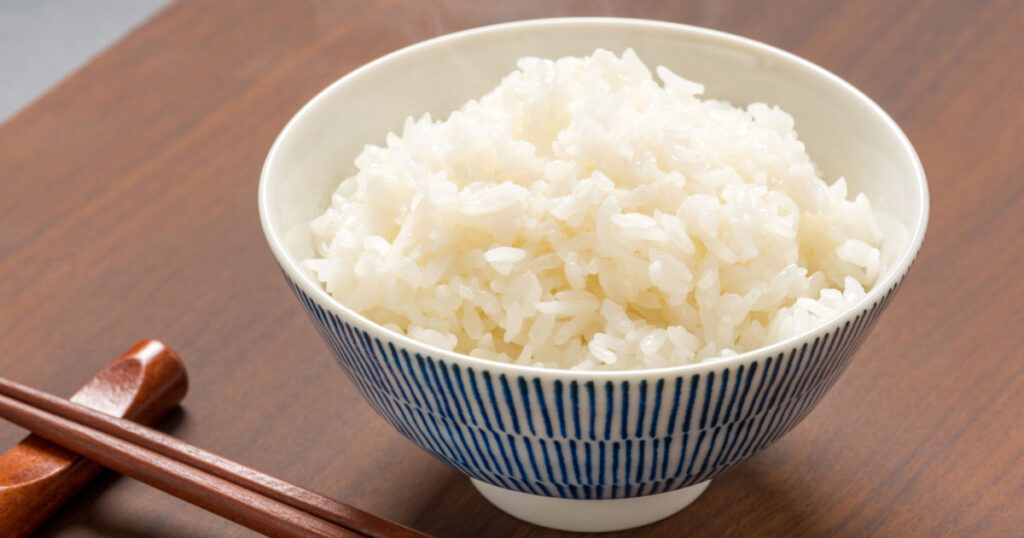
- Gluten-free grains like rice and quinoa
- Non-citrus fruits (and avoid avocado and bananas)
- All vegetables aside from eggplant, spinach, and tomatoes
- Eggs
- Dairy substitutes like almond milk
- Fresh meat and fresh fish
- Cooking oils like olive oil [4]
Getting a Diagnose

If you suspect you have histamine intolerance, do not self-diagnose. Its symptoms are very similar to other disorders, allergens, and infections. So speak to your doctor about your symptoms so they could eliminate other possibilities. This may involve following an elimination diet for 14 to 30 days. It will involve avoiding histamine-rich foods for a period of time and then slowly reintroducing them to see if they cause any reactions. The doctor may also take a blood sample to test for DAO deficiency.
The aforementioned antihistamines are also an option, although they are not a complete solution. “A lot of sufferers turn to antihistamine medication to block histamine activity and relieve their symptoms,” Torrens writes, “but it’s worth highlighting that these drugs don’t actually reduce your histamine load although you may benefit from symptom relief.”