🪙 $504,000 1943 Bronze Lincoln Cent: The Half-Million Dollar Dream
In the world of coin collecting, few stories are as legendary as the 1943 Bronze Lincoln Cent. While nearly every penny minted in 1943 was made of zinc-coated steel to conserve copper for World War II ammunition, a handful of bronze errors slipped through—creating a “lottery ticket” that every collector dreams of finding in their pocket change.
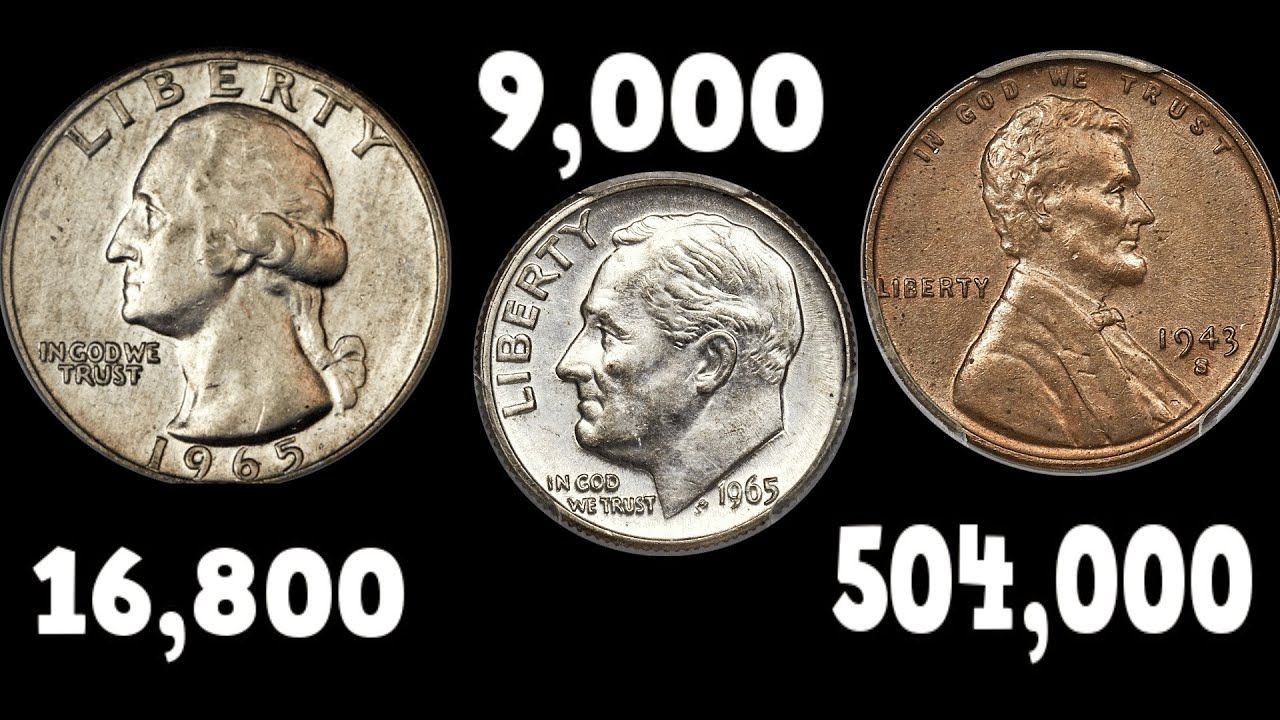
One of these rare specimens, a 1943-S (San Francisco Mint) bronze penny, made headlines when it sold for a staggering $504,000 in 2020.
Why Does This Penny Even Exist?
During World War II, copper was a critical resource for shell casings and communication wires. To support the war effort, the U.S. Mint switched to a steel composition for the 1943 penny, giving them a distinct silvery-gray appearance.
The “Half-Million Dollar Penny” was a pure accident. Experts believe that a few leftover bronze planchets (the blank metal disks) from the 1942 production remained stuck in the giant tote bins or the corners of the coin presses. When the 1943-dated dies began striking steel cents, these few trapped bronze blanks were fed into the machines, creating an unintentional treasure.
By the Numbers: Rarity and Auction Records
Only an estimated 15 to 30 genuine examples of the 1943 copper penny are known to exist across all three mints.
-
Philadelphia (No Mint Mark): Roughly 10–20 known examples; specimens have sold for over $372,000.
-
San Francisco (S): Fewer than 5 known examples. The $504,000 record belongs to one of these elusive “S” mint coins.
-
Denver (D): The rarest of all, with only one confirmed specimen in existence. It holds the absolute record for a Lincoln cent, selling for $1.7 million in 2010.
How to Tell if You’ve Found a Fortune (or a Fake)
Because of its extreme value, the 1943 bronze penny is one of the most counterfeited coins in history. Many “discoveries” are actually 1943 steel cents that have been copper-plated, or 1948 pennies with the “8” shaved down to look like a “3”.
If you find a reddish 1943 penny, perform these two essential tests:
1. The Magnet Test
This is the simplest and most effective test.
-
Fake: If the coin sticks to a magnet, it is a steel penny that has been plated with copper.
-
Genuine: A real 1943 bronze penny is not magnetic and will not stick.
2. The Weight Test
A standard scale can quickly debunk a counterfeit.
-
Steel Cent: Weighs approximately 2.7 grams.
-
Bronze Cent: Weighs approximately 3.11 grams.
What to Do If It Passes the Tests
If your coin is non-magnetic and weighs about 3.1 grams, do not clean it! Cleaning a rare coin can strip away its value by damaging the original surface. Instead, you should:
-
Place it in a protective holder.
-
Contact a professional grading service like PCGS (Professional Coin Grading Service) or NGC (Numismatic Guaranty Company).
-
Authentication is mandatory before any auction house will list the coin for six figures.
The Legacy of the “Copper 43”
The 1943 Bronze Lincoln Cent remains the ultimate symbol of American numismatics—a simple mint error that turned a humble cent into a fortune. It serves as a reminder that history is often found in the most unexpected places: your own spare change.
Would you like me to show you what the “S” mint mark looks like on an authentic 1943 penny so you know exactly where to check?